
Tips
How anniversary gifts should scale with tenure
A first anniversary and a twenty-fifth should not feel the same. How to build anniversary tiers that are fair, affordable, and meaningful at the top.
· 4 min read

Every onboarding plan tracks the same things: the laptop shipped, the accounts created, the forms signed, the training booked. Whether the new hire felt expected is usually left to the team.
One manager sends a message before day one, takes the new hire to lunch, and introduces them around. Another is in the middle of a hard quarter, and the new hire spends the first week alone with a training video. Same company, very different first impressions. A welcome gift is one of the simplest ways to make that first impression consistent.
The first month is when a new hire decides whether they made the right call. They are comparing the job to what they heard in interviews and comparing the company to the one they left. Small signals carry a lot of weight: a manager who was ready for them, a team that knew they were coming, a note that used their name.
A welcome gift makes good onboarding tangible, and it guarantees that at least one part of the first month is the same for everyone.
| Timing | Works well for | Watch out for |
|---|---|---|
| Before day one | Building excitement, remote hires | Confirm the start date first; offers sometimes fall through |
| On day one | Office teams handing it over in person | Shipping has to be timed precisely |
| In the first week | Remote and distributed teams | It should arrive while “new” still feels new |
| At 30 days | Marking the end of onboarding | Too late to work as a welcome |
For most teams, the safest window is the first week: the person has started, their home address is confirmed, and the gift arrives while the welcome still means something.
Pick something they will use in the first week. A good mug for the first morning’s coffee. A notebook for all the names they are about to learn. A treat from a local maker. If you know little about the person yet, a curated set to choose from beats guessing at someone’s taste before you have met them.
Avoid anything that assumes too much: alcohol, strong scents, or food someone may not be able to eat.
And include a note from the manager. It can be short. “We have been looking forward to you starting since the day you said yes” works better than a paragraph about company values.
The start date is already in your HR system. The gift goes out only if someone notices it there in time, and in a busy hiring month, someone will not.
Growth does not always arrive one person at a time. An acquisition, a new site, or a seasonal ramp can add dozens of people in a week. (More on recognition across multiple locations.)
Batches are where manual welcomes break down and where consistency matters most. A dozen people who start together will talk. If half got a welcome and half did not, the gift did more harm than good. A process that reads start dates from your HR system handles a dozen as easily as one.
The welcome is the start. At the end of the first month, a short check-in from the manager, asking what has gone well and what has been confusing, shows the welcome was meant. Some teams add a small “you made it through month one” note. It costs almost nothing and tells the new hire the welcome was not a one-off.
Once you turn on the welcome gift, Thankscrate creates it when a new hire appears in your HR system, asks for a personal message, and sends the gift. See how new hire welcome gifts work.
Tips
A first anniversary and a twenty-fifth should not feel the same. How to build anniversary tiers that are fair, affordable, and meaningful at the top.
· 4 min read
Tips
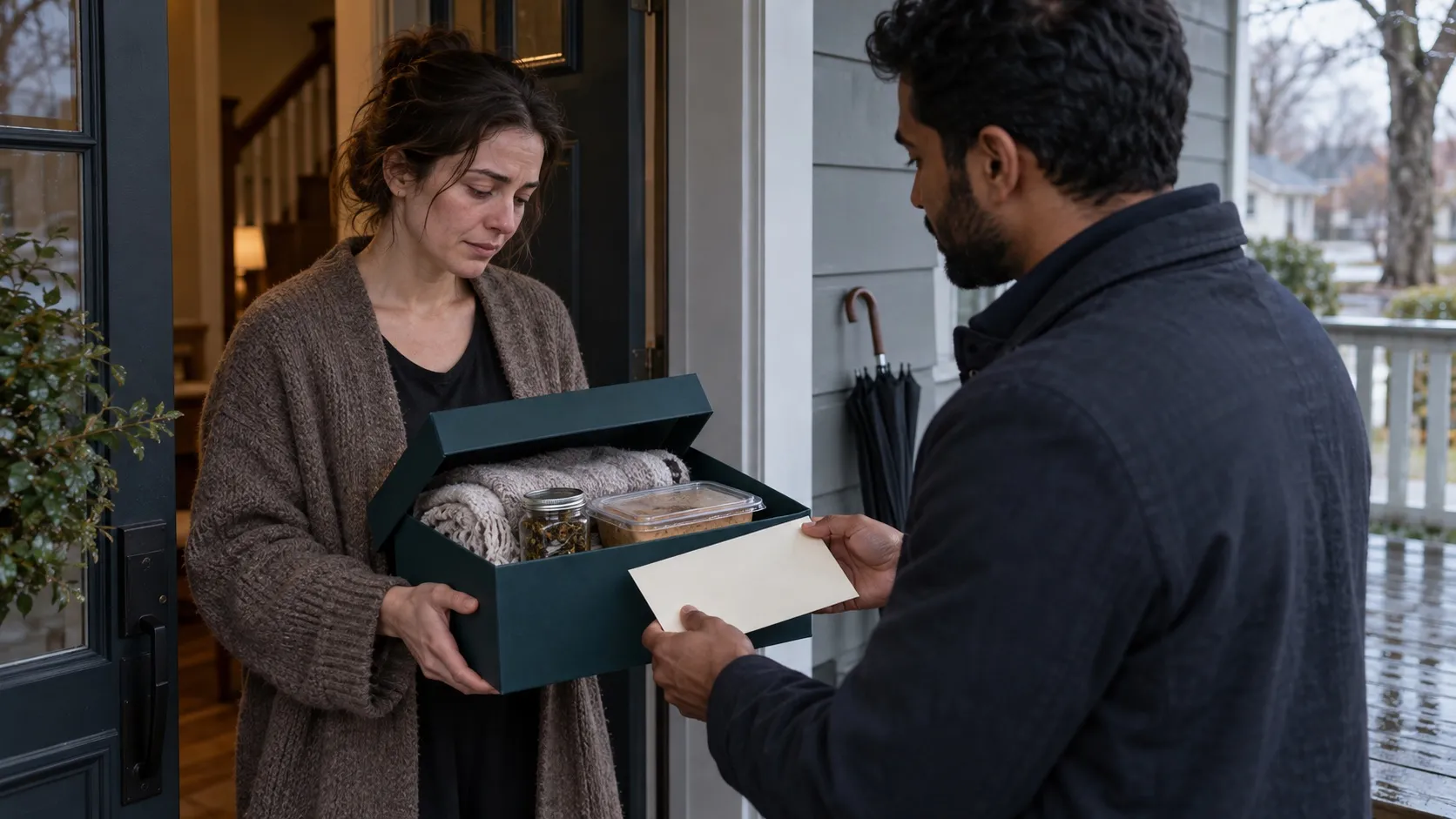
Bereavement is the moment a company's care is tested most and prepared for least. How to respond quickly, appropriately, and the same way for everyone.
· 3 min read

Tips
Gift cards are easy to send and easy to forget. Physical gifts feel personal but can miss. How to decide between them, and why the best programs offer both.
· 3 min read
The Good Human Company Podcast
Founders, HR leaders, and operators on recognition and culture.
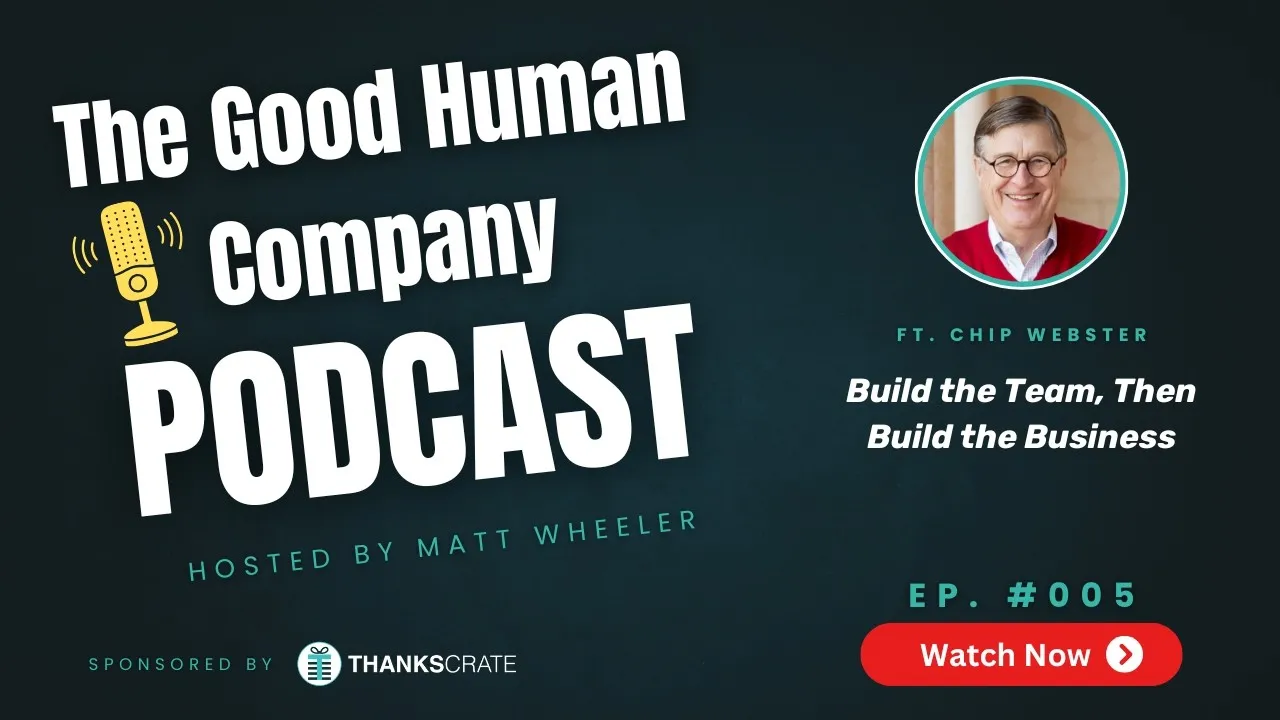
Episode 005
with Chip Webster, Vistage Florida (former)
· 32 min
Thankscrate handles birthdays, work anniversaries, and 40+ other occasions for you.