
Gratitude
What goes wrong with points-based recognition programs
Points programs promise a culture of thanks and often deliver a ledger to audit. Where they break down, and what moment-based recognition looks like instead.
· 3 min read

Picture an employee who had a wedding and a death in the family in the same year, and heard nothing from the company about either.
They usually raise it with HR quietly, after the person has seen a colleague receive flowers or a gift for the same kind of moment. The company did nothing wrong on purpose. One manager mentioned the colleague’s news; the other did not. But the effect is the same as if the company had decided one person mattered and the other did not.
People talk to each other. They notice who received something for a new baby, whose anniversary was announced, whose department had a cake. Every gift gets measured against what everyone else received.
That makes consistency more important than generosity. A modest gift that everyone receives builds trust. A generous gift that only some people receive erodes it.
It usually comes from structure:
For each occasion you recognize, decide what happens and for whom. “Every employee receives a gift on their work anniversary, at this budget, with a higher tier at five and ten years” is a standard. “Managers recognize anniversaries as they see fit” is not.
Give managers and employees one clear way to let the company know about a wedding, a birth, a serious illness, or a death. Then respond to every report the same way. You can only respond fairly to the events you hear about.
Fairness comes from a shared budget and a shared standard. Warmth comes from the person who knows the employee. Keep the money and the rules central; let managers write the words.
When you review your program, check specifically for the groups most likely to be missed: remote, part-time, international, field-based, and new employees. If any group is receiving less, fix it before anyone else notices.
Some people do not celebrate birthdays or prefer not to be recognized publicly. Let them opt out of a particular occasion without making it visible, and keep them in the rest of the program.
Answer these honestly:
Any “no” is a place where an employee could feel overlooked.
Fairness means everyone in the same situation is treated the same way. The gifts themselves can differ. Letting each person choose from a curated set is one of the best ways to be both fair and personal: the budget and the occasion are equal, and the gift fits the person.
Thankscrate applies the same occasions and budgets to everyone they cover, keeps a full record of every gift, and lets each person choose. See how reporting works.
Gratitude
Points programs promise a culture of thanks and often deliver a ledger to audit. Where they break down, and what moment-based recognition looks like instead.
· 3 min read

Gratitude
The founder's handwritten card, the custom anniversary gift, the crew dinner. How to keep a tradition special when volume outgrows the person behind it.
· 3 min read
The Good Human Company Podcast
Founders, HR leaders, and operators on recognition and culture.
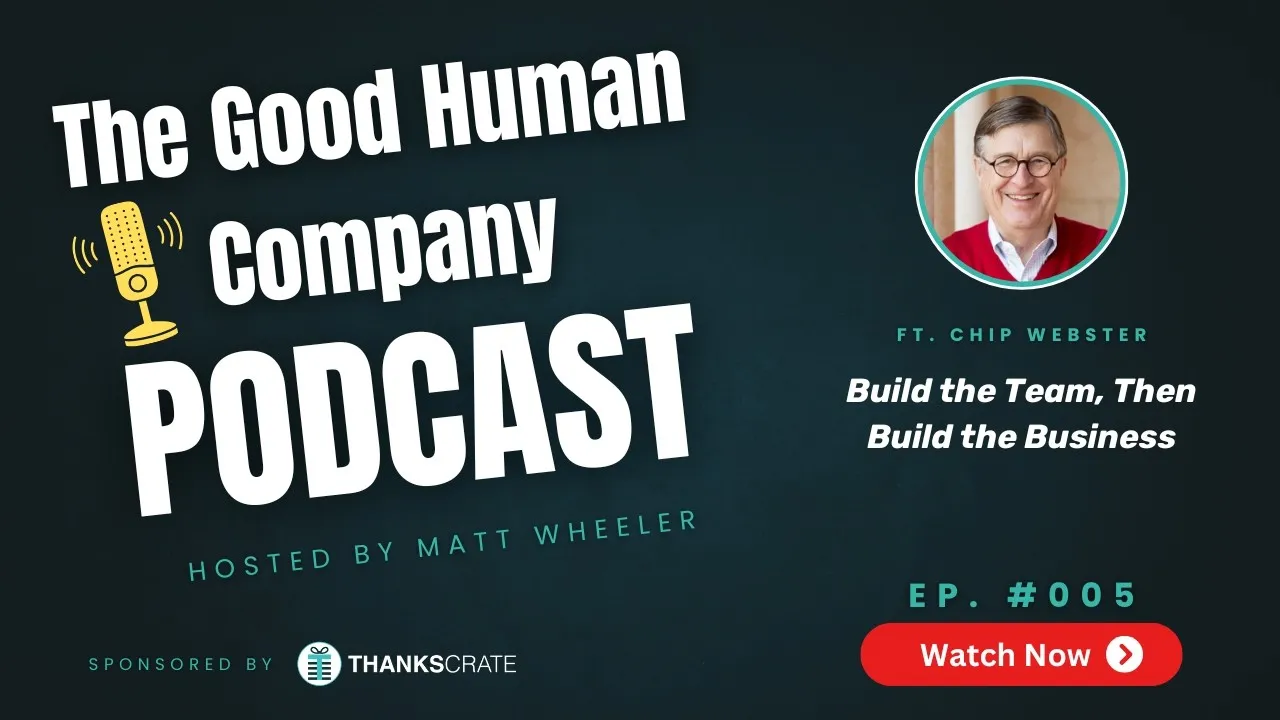
Episode 005
with Chip Webster, Vistage Florida (former)
· 32 min
Thankscrate handles birthdays, work anniversaries, and 40+ other occasions for you.