
Work
One appreciation program for every relationship that matters
Clients, placed candidates, volunteers, board members, and partners all deserve thanks too. How to thank them all from one program.
· 3 min read
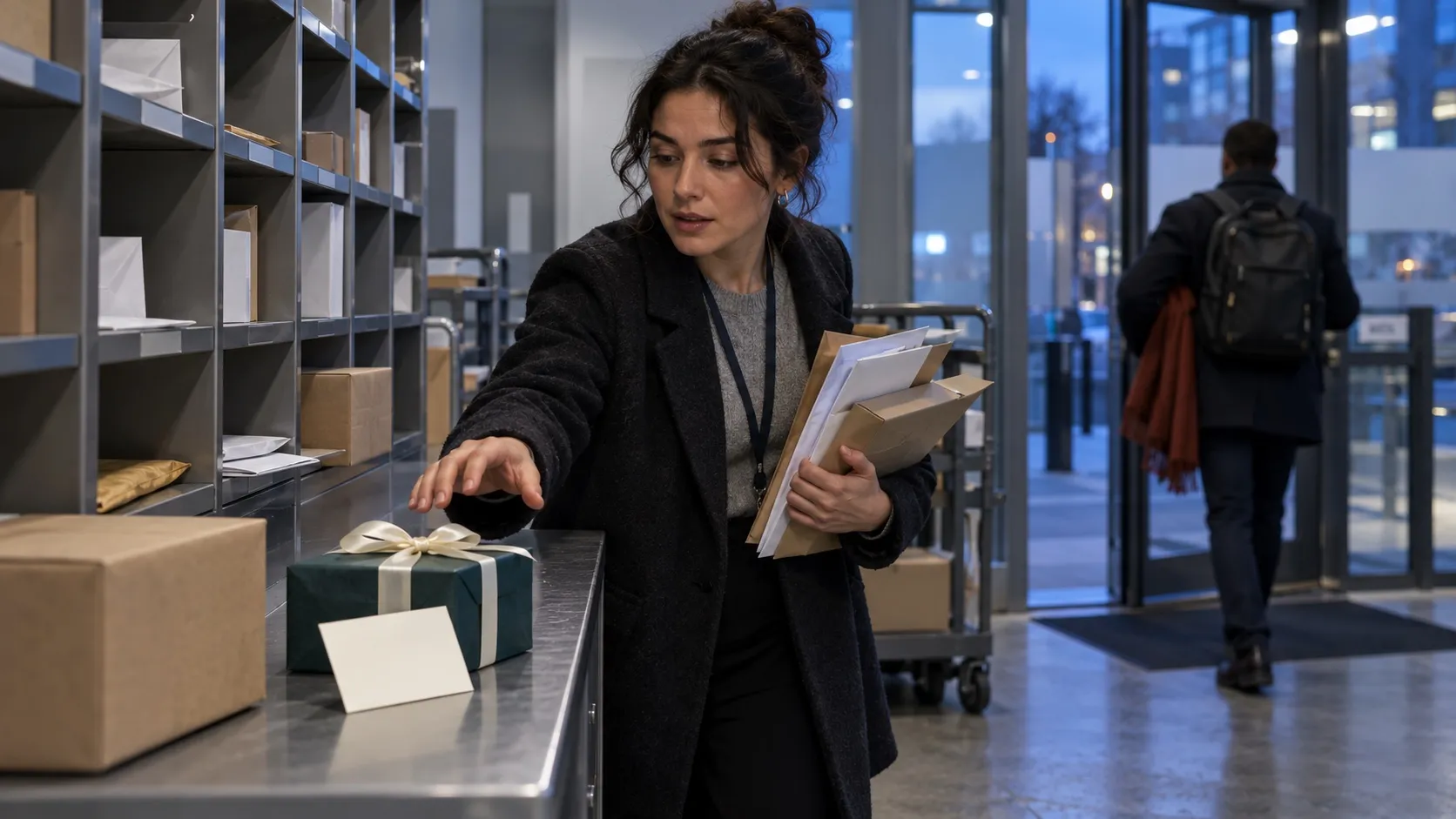
Ask how a company recognizes its people and listen for a particular phrase. It usually comes at the end of a sentence, said a little sheepishly: “if we remember.”
“We send a note when someone has a big week, if we remember.” “Birthdays go on my calendar, and hopefully I don’t forget.” “HR hears about it if the manager reaches out.”
That phrase describes most appreciation programs, and it is the reason most of them are less fair and less reliable than the people running them want.
Memory fails in predictable ways, and each one lands on real people.
It fails when one person is busy. Recognition that lives in an HR manager’s or operations director’s calendar stops the week that person is buried in an audit, a hiring push, or their own vacation.
It fails when the person moves on. A founder writing every milestone card by hand is a wonderful tradition until they step into a new role. Then the tradition leaves with them.
It fails at the edges. People who are remote, part-time, new, or quiet are the ones most likely to be forgotten, because nobody runs into them in the hallway.
It fails secondhand. Life events such as a wedding, a new baby, or a death in the family usually reach HR only if a manager passes them along. Some managers always do. Some never do.
A single missed birthday is easy to forgive. A pattern of them tells people who the company remembers.
Employees talk. When one person gets flowers after a loss and another gets nothing because their manager did not mention it, the second person draws the obvious conclusion: “the company did not care about me.” The effort the company put into recognizing the first person now works against it.
That is the hidden cost of memory-based recognition: it creates the comparison that makes people feel overlooked.
A good process keeps recognition personal by separating the parts that need a human from the parts that do not.
Needs a human
Can run on its own
When the right-hand side runs on its own, the left-hand side gets more attention, not less.
For each occasion you recognize, ask: if the person who handles this left tomorrow, would it still happen next month?
If the answer is no, it is recognition that depends on someone remembering. That is worth fixing before anyone notices it has stopped.
Thankscrate reads dates from your payroll or HR system, prepares each occasion ahead of time, prompts the right person for a personal message, and handles the gift. See how automated appreciation works.
Work
Clients, placed candidates, volunteers, board members, and partners all deserve thanks too. How to thank them all from one program.
· 3 min read

Work
Managers know what makes a moment personal and have the least time to act on it. Give them the part only they can do, and take away the rest.
· 3 min read

Work
How staffing and recruiting firms can thank placed candidates and the clients who hire them: the moments that matter, the rules to mind, and what to write.
· 4 min read
The Good Human Company Podcast
Founders, HR leaders, and operators on recognition and culture.
Episode 005
with Chip Webster, Vistage Florida (former)
· 32 min
Thankscrate handles birthdays, work anniversaries, and 40+ other occasions for you.