
Work
One appreciation program for every relationship that matters
Clients, placed candidates, volunteers, board members, and partners all deserve thanks too. How to thank them all from one program.
· 3 min read

“We don’t do anything” is a more common answer than most people expect. Plenty of good companies, with people who care about each other, have no appreciation program at all. Birthdays get a message in the group chat. Anniversaries pass unnoticed. A manager might take the crew to dinner after a big job, and that is the whole of it.
If you have been asked to change that, the hardest part is knowing where to start. The version below works for most teams, from a handful of people to a few hundred.
Every company already knows two things about each employee: when they were born and when they were hired. That makes birthdays and work anniversaries the natural foundation for a first program.
They also have three properties that make a program credible from day one:
Resist the urge to launch with ten occasions. Two, done reliably, are worth more than ten done some of the time.
Programs stall when the conversation starts with “what should we send?” Start with “how much per person per year?” instead.
A simple structure:
| Occasion | How to set it |
|---|---|
| Birthday | One amount for everyone |
| Work anniversary | One amount for most years, with higher amounts at milestones (1, 5, 10 years) |
Multiply by headcount and you have a number leadership can approve. Keep a small reserve for the moments you cannot predict: a bereavement, a new baby, an illness in the family. Those are often the gestures people remember longest.
The most common way a new program fails is that it lives in one person’s calendar. That person goes on vacation, changes roles, or gets busy, and the birthdays stop.
Before you send a single gift, make sure the dates come from a system rather than a memory. If your payroll or HR system holds birth dates and hire dates, connect to it or export it. If it does not, a spreadsheet is a fine start, as long as someone owns keeping it current when people join and leave.
Two small things worth deciding now:
The first round of gifts sets the tone. A few habits help it land:
A quiet launch is a missed opportunity. A short message from leadership explaining that the company will now recognize every birthday and work anniversary, and why, sets expectations and makes the first gifts feel intentional rather than random.
Once birthdays and anniversaries have run reliably for a few months, you have earned the right to add more. Common next steps:
Each addition should pass the same test as the first two: can you do it for everyone, every time?
Thankscrate is built for exactly this starting point: connect your payroll or HR system, turn on birthdays and anniversaries, set a gift tier for each, and the program runs from there. See how automated appreciation works.
Work
Clients, placed candidates, volunteers, board members, and partners all deserve thanks too. How to thank them all from one program.
· 3 min read

Work
Managers know what makes a moment personal and have the least time to act on it. Give them the part only they can do, and take away the rest.
· 3 min read

Work
How staffing and recruiting firms can thank placed candidates and the clients who hire them: the moments that matter, the rules to mind, and what to write.
· 4 min read
The Good Human Company Podcast
Founders, HR leaders, and operators on recognition and culture.
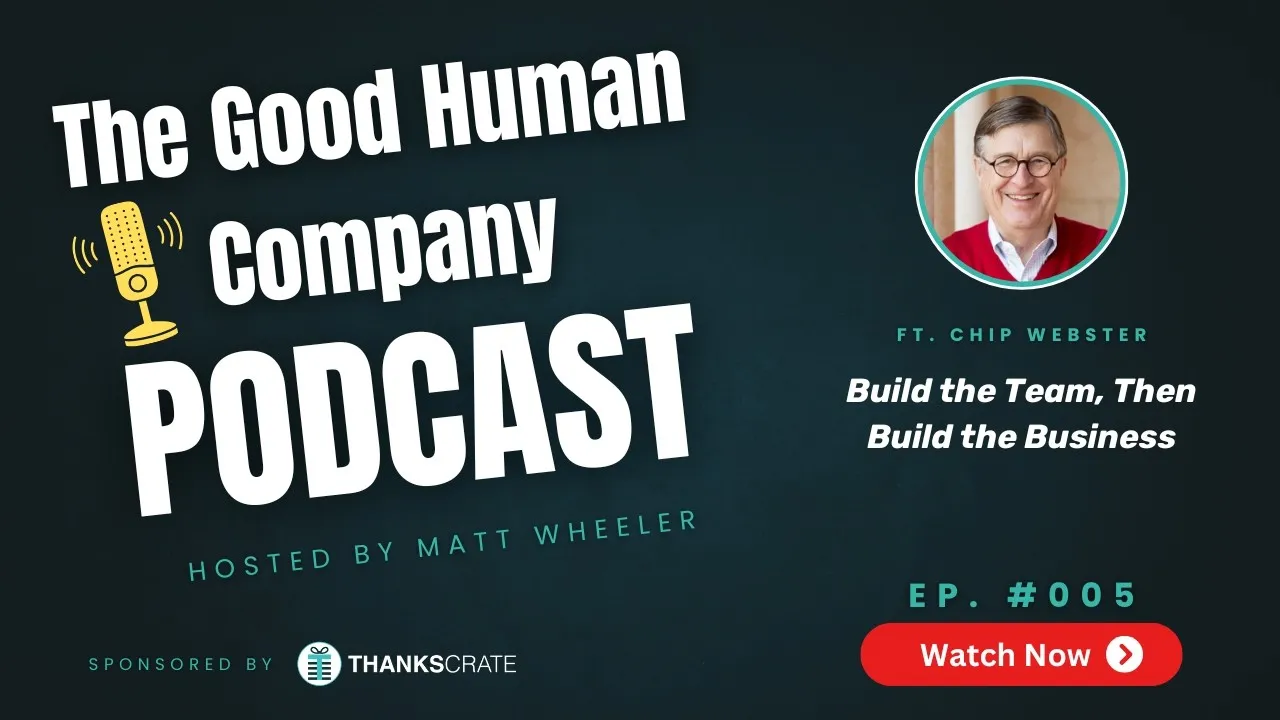
Episode 005
with Chip Webster, Vistage Florida (former)
· 32 min
Thankscrate handles birthdays, work anniversaries, and 40+ other occasions for you.