
Work
One appreciation program for every relationship that matters
Clients, placed candidates, volunteers, board members, and partners all deserve thanks too. How to thank them all from one program.
· 3 min read

Last year’s appreciation spend is probably sitting in four places: a corporate card used for flowers, a stack of expense reports for team lunches, a box of gift cards someone bought in December, and a few personal purchases that were never reimbursed. Nobody planned the total, so nobody can report it.
That makes budget season awkward. Leadership asks how much the company should spend, and the honest answer is that nobody knows what it spends now. The way out is to build the number from the ground up, so you can explain every line.
A budget that starts from a round number gets spent unevenly and tends to run out in the wrong month. A budget that starts from the moments you want to recognize can be explained line by line.
List every occasion you plan to mark next year, in three groups:
You can count the first two groups from your HR data today. You have to estimate the third, and it is the one that most often breaks a small budget.
For every predictable occasion the formula is the same:
people who will reach the occasion next year × the amount per gift
For birthdays, that is everyone on the team. For work anniversaries, it is everyone who will have been with you at least a year. For welcomes, it is your hiring plan. For milestone anniversaries, count the people who will hit each milestone year; your HR system already has their hire dates.
Then account for growth. If you plan to hire twenty people, they need welcome gifts, and the people who started this year will reach their first anniversary.
Life events do not follow a calendar. Two or three life events in the same month can empty a pool meant for birthdays, and then the program runs dry by October.
Look back over the last year or two. How many times did someone ask for a sympathy gift, a new-baby gift, or a get-well gift? Use that count, add some headroom, and set a standard amount for each type of event. A standard amount solves a second problem too: everyone who goes through the same thing gets the same response, whichever manager they report to.
Keep the amounts simple. Use one amount per occasion, raise it at milestone anniversaries, and give each type of life event its own standard. Finance can approve a handful of standards far more easily than dozens of one-off purchases.
Once the forecast is built, divide the total by your headcount. That gives you a per-employee figure you can compare year over year and across departments or locations.
The number on its own matters less than what is behind it. Two companies can land on the same per-employee figure with very different programs: one spends it all on a holiday party, the other spreads it across birthdays, anniversaries, and life events. The second one reaches people on the days that matter to them.
The price of the gift is only part of what you pay. When you compare options, check:
A good budget also lets you show, at the end of the year, every gift that went out and what it cost, broken down by occasion. That breakdown is what lets finance approve the line again next year without a long conversation.
Decide before the year starts where that record will live. If gifts are bought on five cards and three websites, the report will not exist. If they run through one process, it will. When you are ready to take the plan to leadership, here is how to make the case.
Thankscrate sets a gift tier for each occasion and bills per gift sent, so spending follows the moments you recognize. Read more about budgets and spend.
Work
Clients, placed candidates, volunteers, board members, and partners all deserve thanks too. How to thank them all from one program.
· 3 min read

Work
Managers know what makes a moment personal and have the least time to act on it. Give them the part only they can do, and take away the rest.
· 3 min read

Work
How staffing and recruiting firms can thank placed candidates and the clients who hire them: the moments that matter, the rules to mind, and what to write.
· 4 min read
The Good Human Company Podcast
Founders, HR leaders, and operators on recognition and culture.
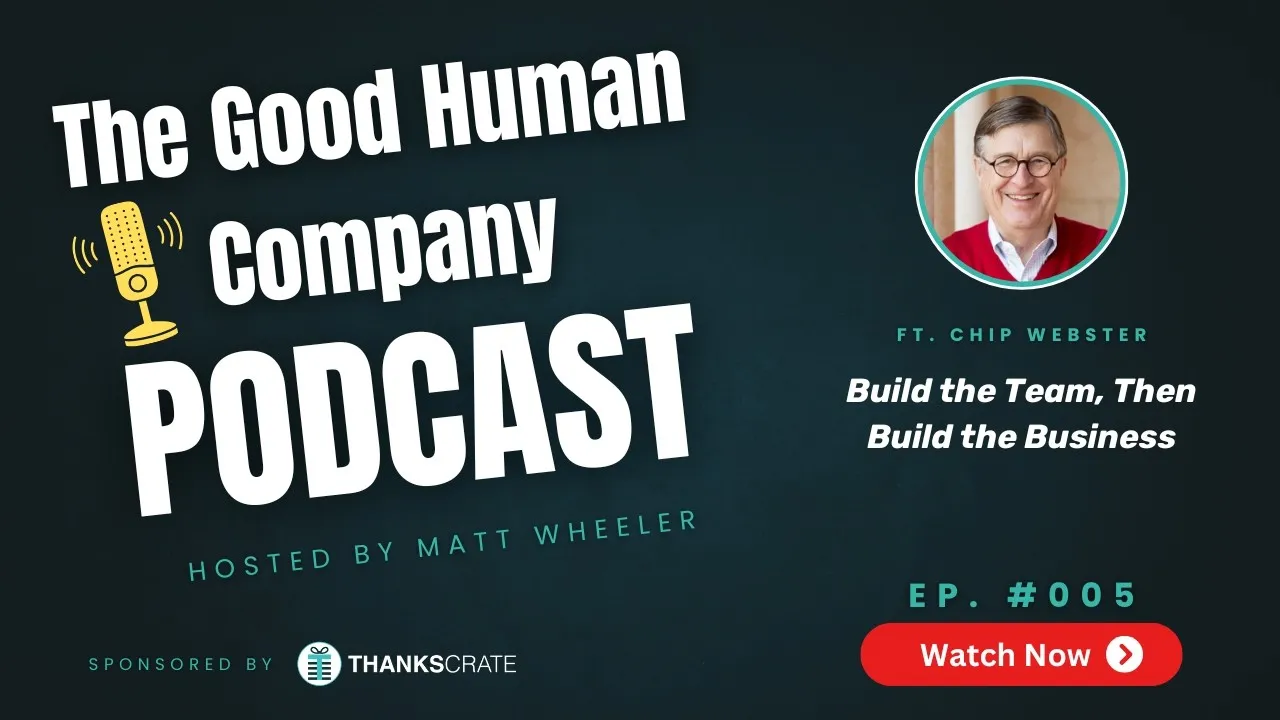
Episode 005
with Chip Webster, Vistage Florida (former)
· 32 min
Thankscrate handles birthdays, work anniversaries, and 40+ other occasions for you.