
Work
One appreciation program for every relationship that matters
Clients, placed candidates, volunteers, board members, and partners all deserve thanks too. How to thank them all from one program.
· 3 min read
Work· · 3 min read
By The Thankscrate team

The CFO’s first question is usually some version of “what are we spending on this today?” In most companies, the person proposing a recognition program cannot answer it.
That is worth knowing before you walk in. The person most convinced the company needs a program is usually in HR, operations, or the CEO’s office. The person who approves it is someone else, and they are weighing it against every other request on their desk. Your job is to make it easy to say yes.
Leaders approve fixes to problems they recognize. Before you mention gifts, describe what is happening now, with examples they will remember. The anniversary that passed with nobody noticing. The department that celebrates every birthday and the one that never does. The employee whose father died and who heard nothing from the company, while a colleague in the same situation got flowers.
Frame it as a reliability problem. “We recognize people if someone remembers” is a sentence few executives want to be true about their company.
There is good research on recognition, and it helps to cite it as context rather than as a promise.
A 2024 study by Gallup and Workhuman tracked nearly 3,500 employees and found that those who received high-quality recognition were 45% less likely to have left two years later. The study is specific about what high quality means: recognition that is fulfilling, authentic, equitable, embedded in the culture, and personalized. In the same article, Gallup estimates that replacing an employee costs from 40% of salary for frontline roles to 200% for leaders.
What not to do is promise your program will cut turnover by a specific percentage. Nobody can guarantee that, and a leadership team that hears an inflated number will discount everything else you say.
“We should do more for our people” invites a polite nod. A specific proposal gets a decision. Keep it to one page:
Come with the total forecast, built from the occasions, not a round number. Then explain the difference between fixed and variable cost. A program you pay for per gift sent costs nothing in a month when nothing goes out; a subscription charges either way.
Most important, show today’s hidden spend: whatever already goes out on cards and expense reports, and the staff hours behind it. Compare the new plan with what the company already spends today, scattered as it is.
The easiest yes is a small one with an end date. Offer one or two occasions for one quarter, then a short report on how many people were recognized, what it cost, and what managers and employees said. A pilot gives the next conversation real numbers instead of opinions.
Pick the pilot group with care. One department or location with a manager who will actually write the notes gives you a fair test. Agree up front on what success looks like, such as every eligible person recognized on time and the spend inside the forecast, so the review at the end is short.
Nonprofits and other mission-funded organizations get a harder version of the question: is this a good use of money given to us for a purpose? Tell them that keeping experienced people is part of delivering the mission. The post on appreciation on a nonprofit budget covers how to size a program that fits.
Thankscrate bills per gift sent and reports every gift by occasion and cost, which gives you the numbers a pilot review needs. More for leaders on the executive leadership page.
Work
Clients, placed candidates, volunteers, board members, and partners all deserve thanks too. How to thank them all from one program.
· 3 min read

Work
Managers know what makes a moment personal and have the least time to act on it. Give them the part only they can do, and take away the rest.
· 3 min read

Work
How staffing and recruiting firms can thank placed candidates and the clients who hire them: the moments that matter, the rules to mind, and what to write.
· 4 min read
The Good Human Company Podcast
Founders, HR leaders, and operators on recognition and culture.
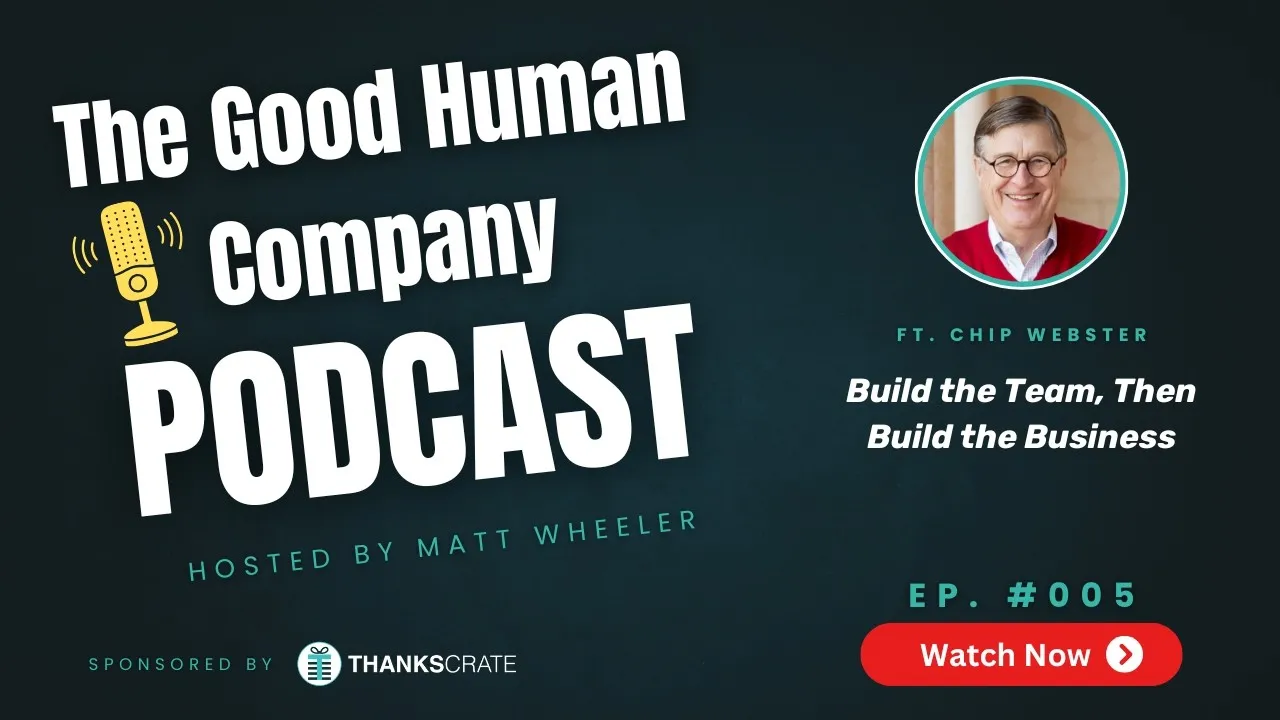
Episode 005
with Chip Webster, Vistage Florida (former)
· 32 min
Thankscrate handles birthdays, work anniversaries, and 40+ other occasions for you.